
Technical Rotational Moulding Services
Custom Rotational Moulding
Gaybo Limited offers extensive experience and the ability to support your project. We bring five decades of experience in processing, design, development, and testing to the table, enabling our team to support you and your project successfully.
Who Are We?
We started manufacturing in 1968 and built an exceptional reputation for our Gaybo Limited GRP and composite kayaks. Now our speciality lies in over 30 years of high-quality rotational moulding for the water sports industry.
Our experience in producing for unforgiving and demanding applications and environments makes us ideally placed to assist with technical contract moulding projects of all types.
- Globally Renowned Brands: We produce kayaks for our own globally renowned Wave Sport brand and manufacture and distribute Perception kayaks for the European market.
- Global Marine Leaders: In addition to our own brand activities, we produce sailing dinghies for global leading brands, Topper and Fusion.
- Diverse Technical Portfolios: Other projects have included hovercraft, playground equipment, assorted boats, and we are especially proud to have worked with Sir Ranulph Fiennes on polar sledge projects.
Rotational Moulding Projects
Our team works closely with you to understand the technical requirements of your project, whether developing a new concept or refining an existing design. The team will focus on your specific needs through each step of the process: from your concept or existing design, exploring tooling considerations and options, to material choices and final production.
Product Design
From the earliest stages, we apply Design for Manufacture (DfM) principles to evaluate geometry, material selection, wall thickness, draft angles, tolerances, and mouldability, ensuring the component is optimised for efficient CAD development and injection mould tooling.
Throughout the product development process, we collaborate with specialist engineering partners to provide comprehensive support in 3D CAD modelling, design validation, prototyping, and tooling manufacture. This integrated approach enables design verification, risk reduction, and a seamless transition from concept through to production-ready components, ensuring performance, manufacturability, and cost-effective manufacture.
Tooling
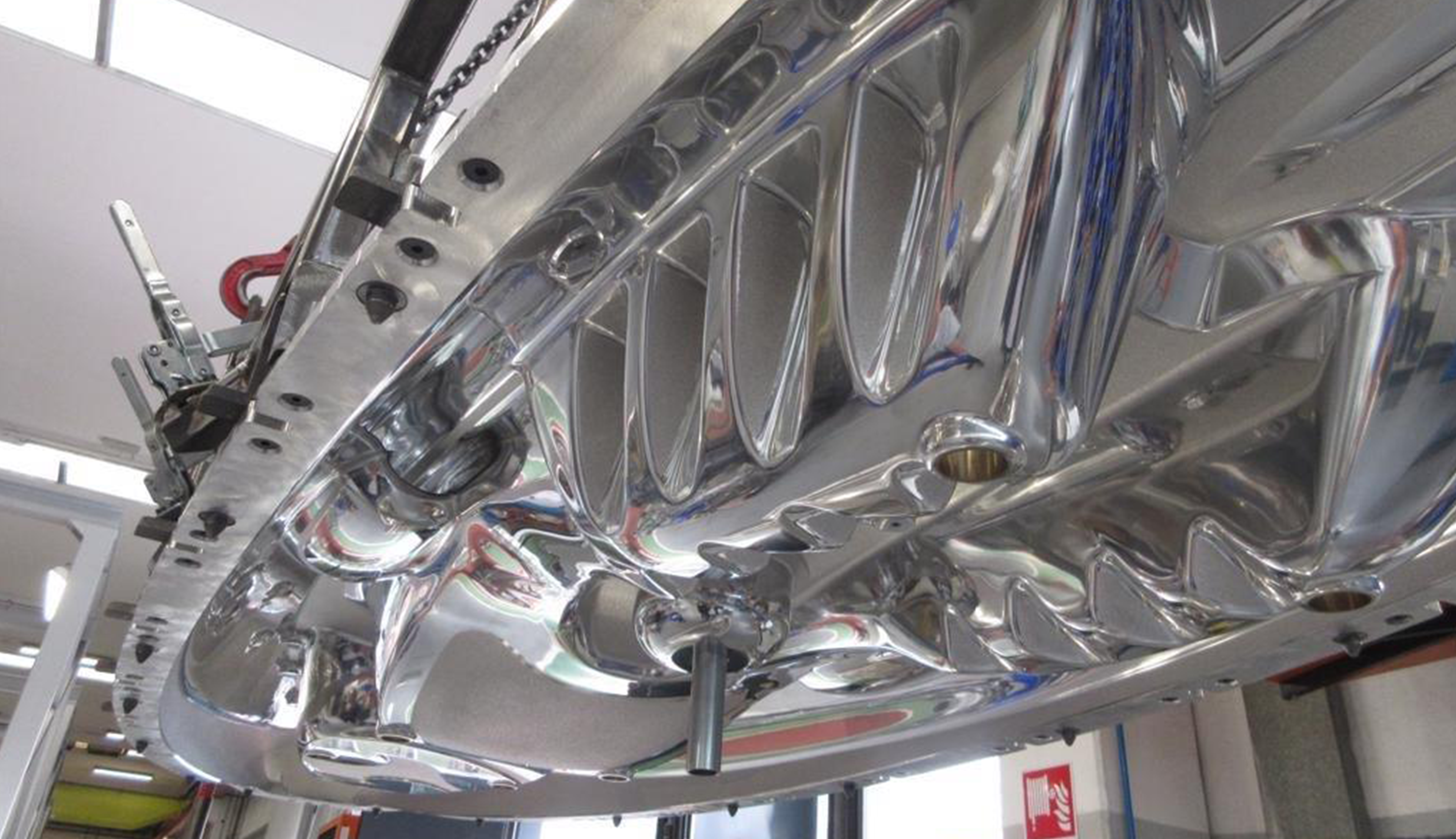
We work closely with proven toolmakers to create process-appropriate tooling that moulds a product to meet our exacting standards and high expectations. If tooling were not considered good enough for our own brand product, we would not expect you to accept it either.
- Tooling Formats: We most frequently work with cast aluminium or CNC-machined aluminium billet.
- Complex Arrangements: A large number of our products have moulded-in features and components that require specialised mould design and complex arrangements. Our team will help and advise you on the best tooling approach for your product.
Production Workflow
Once in production, we follow a proven pre-production sampling process until you are ready to sign off on full production. In production, we follow a quality-control and continuous-development process to ensure your product is the best it can be.
Production Capability
We specialise in larger format products with a technical focus, although we also mould our own component parts in-house. Our three rotational moulding machines offer good scope for both small and large moulding projects.
| Capability Metric | Production Envelope Parameters |
|---|---|
| Minimum Format Capacity | Our smallest mouldings would fit in a shoe box and weigh under 500 grams. |
| Core Production Range | The majority of our production falls within the 3-5m length range and anywhere from 60cm to 2m in width. |
| Maximum Format Capacity | Size does matter. The largest of our machines enables us to accommodate moulds up to 6 metres in length and 2.5 metres in width or diameter. |
| Maximum Shot Weight | To add further context, the largest of our mouldings can weigh up to 200kg. |
*Optimized Fleet Routing: We select the most appropriate machine for a project based on mould dimensions, complexity, cycle profile and energy efficiency.
Materials & Constructions
Material selection is application-specific, with performance requirements varying according to the product's intended service environment, mechanical loading, chemical exposure, and regulatory requirements. By combining our extensive experience with close partnerships with industry-leading material suppliers, we ensure the most suitable material is selected for every application.
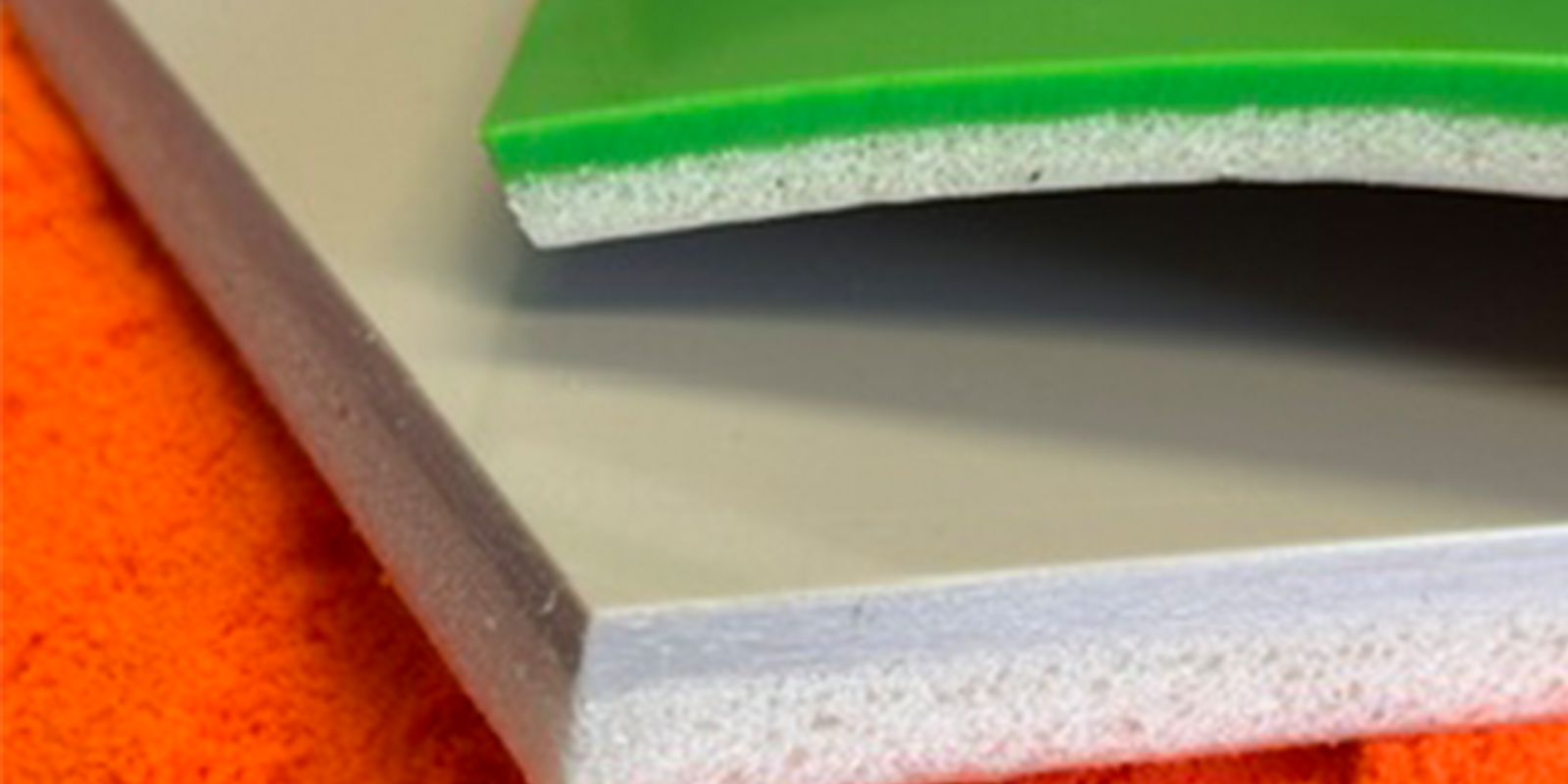
We have extensive expertise in both single-layer and multi-layer rotational moulding across a wide range of polyethylene grades, with a particular focus on premium HDPE materials. Polyethylene is the most commonly used material in rotational moulding due to its excellent performance and versatility. While HDPE is our primary material of choice, we also have significant experience processing a variety of polyethylene grades in both single-layer and multi-layer constructions to meet specific performance and design requirements.
Single-Layer Construction
Appropriate for a wide variety of applications. It offers the most robust construction because it provides the thickest possible cross-section of the structural wear layer. This is the most widely used method for manufacturing kayaks and many of the roto moulded items you see around you.
Three-Layer Foam Core Construction
Popular in applications where product stiffness is the primary consideration. The inclusion of a PE foam core provides greater stiffness than non-foaming materials. This foam core is encapsulated by inner and outer layers of PE/HDPE to protect the foam from wear and water absorption.
Post Mould Assembly
Beyond the moulding stage, we provide a comprehensive post-moulding outfitting and assembly service for a wide range of products. From the installation of mechanical components, hardware, fittings, and bespoke accessories to final assembly and finishing, we deliver fully equipped, application-ready products tailored to our customers' requirements.
Our own kayak range is a prime example, with every model supplied ready for the water and fitted with a carefully selected range of premium components and features. Each product is assembled to ensure optimum functionality, durability, and performance in demanding environments.
Every product is expertly hand-finished by skilled technicians and subjected to rigorous quality assurance procedures throughout the assembly process. Comprehensive inspection and testing ensure component fit, structural integrity, and consistent product quality before dispatch. These exacting standards are applied to every product we manufacture and supply, earning us a reputation as a trusted market leader recognised for engineering excellence, quality, and reliability.
Contact Us / Find Out More
If you have a technical rotation moulding project in mind, we can help you bring it to life. Please get in touch with us for a no-obligation assessment of what we can do for you.
🇬🇧 Made in Britain: Gaybo Limited operates from a purpose-built plant in Uckfield in the south of England.
📧 Email Trade Enquiries: [email protected]
📞 Call Production Office: +44 (0)1825 765891